The global software development services market is valued at over $0.55 trillion and is expanding every year as more companies decide that off-the-shelf tools can't keep up with how they actually work. That growth has also made the market noisier — there are more vendors, more pricing models, and more ways for a project to quietly go sideways.
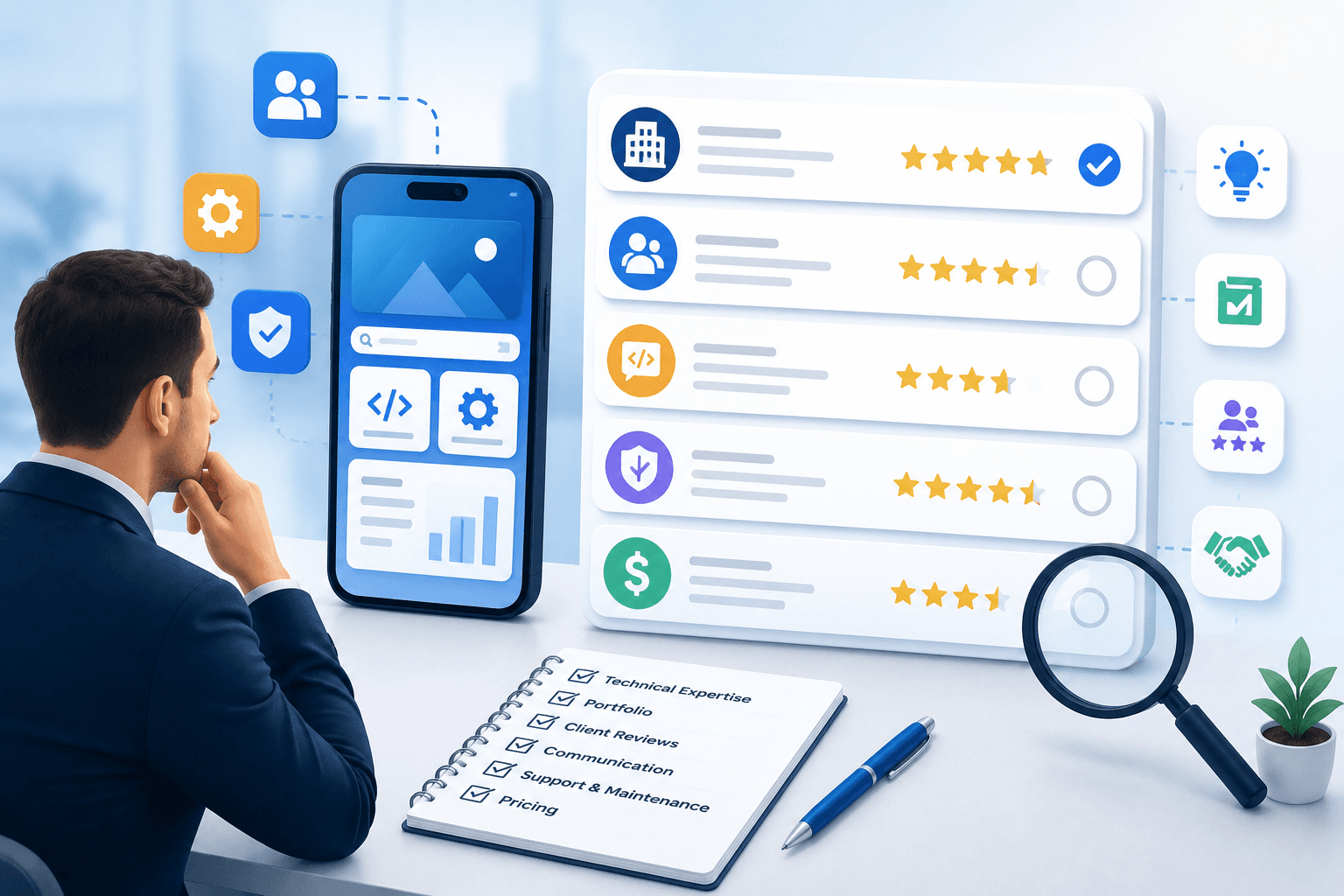
The buyers who get this right treat vendor selection like a technical decision, not a procurement checklist. They look past the pitch deck and ask to see how a team actually works: how they estimate, how they handle scope changes, and what happens when something breaks in production at 2am.
A good custom software partner will push back on your requirements before writing a line of code. If a vendor agrees with everything you say in the first call, that's a signal to look elsewhere — not a sign of good service.
Pricing models matter less than accountability. Fixed-price, time-and-materials, and dedicated-team models can all work, but only if there's a clear owner on the vendor side who is accountable for outcomes, not just hours logged.
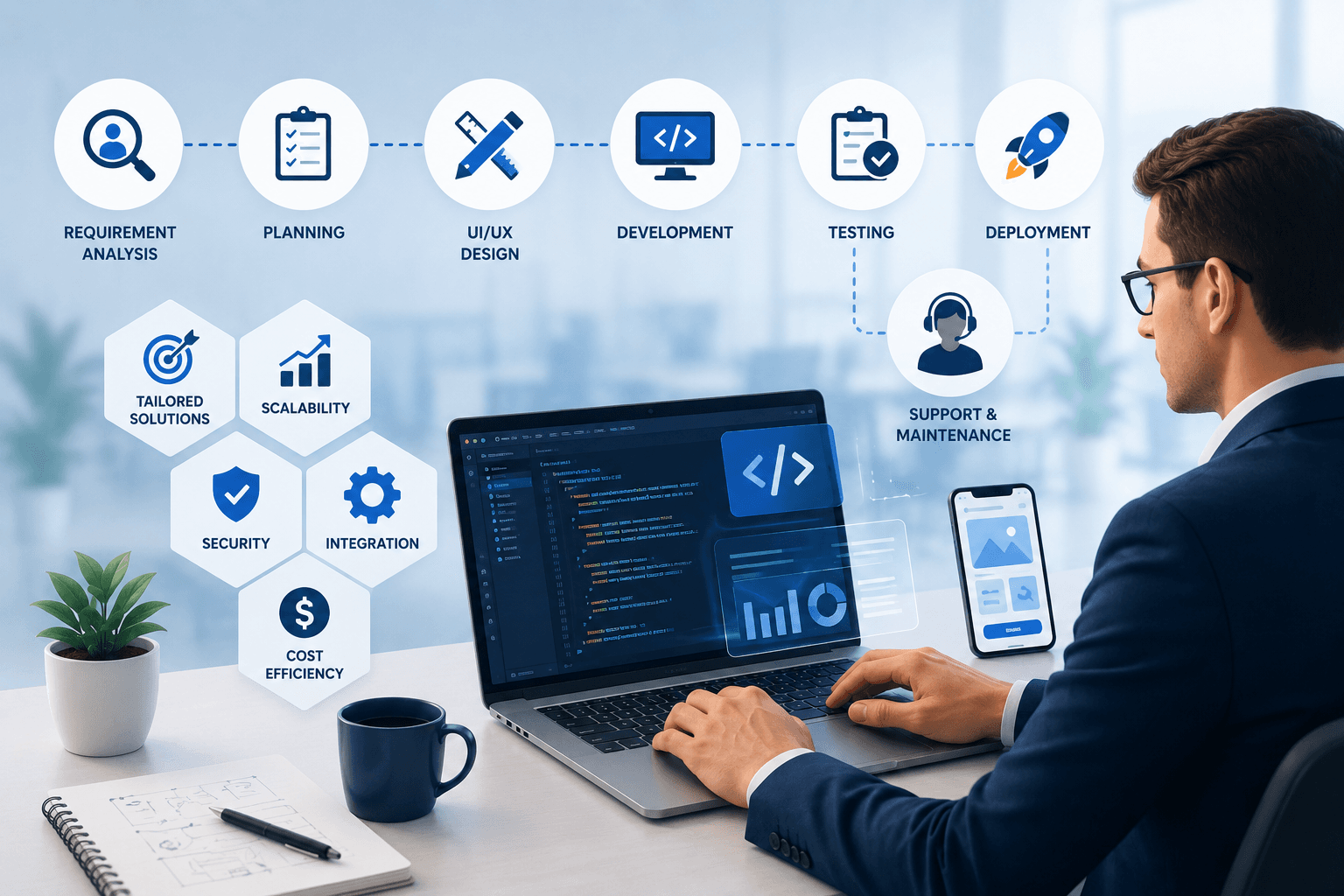
Finally, ask about what happens after launch. Software that ships and is never touched again isn't really finished — it's abandoned. The partnerships that hold up over years are the ones built around ongoing iteration, not a single handoff.