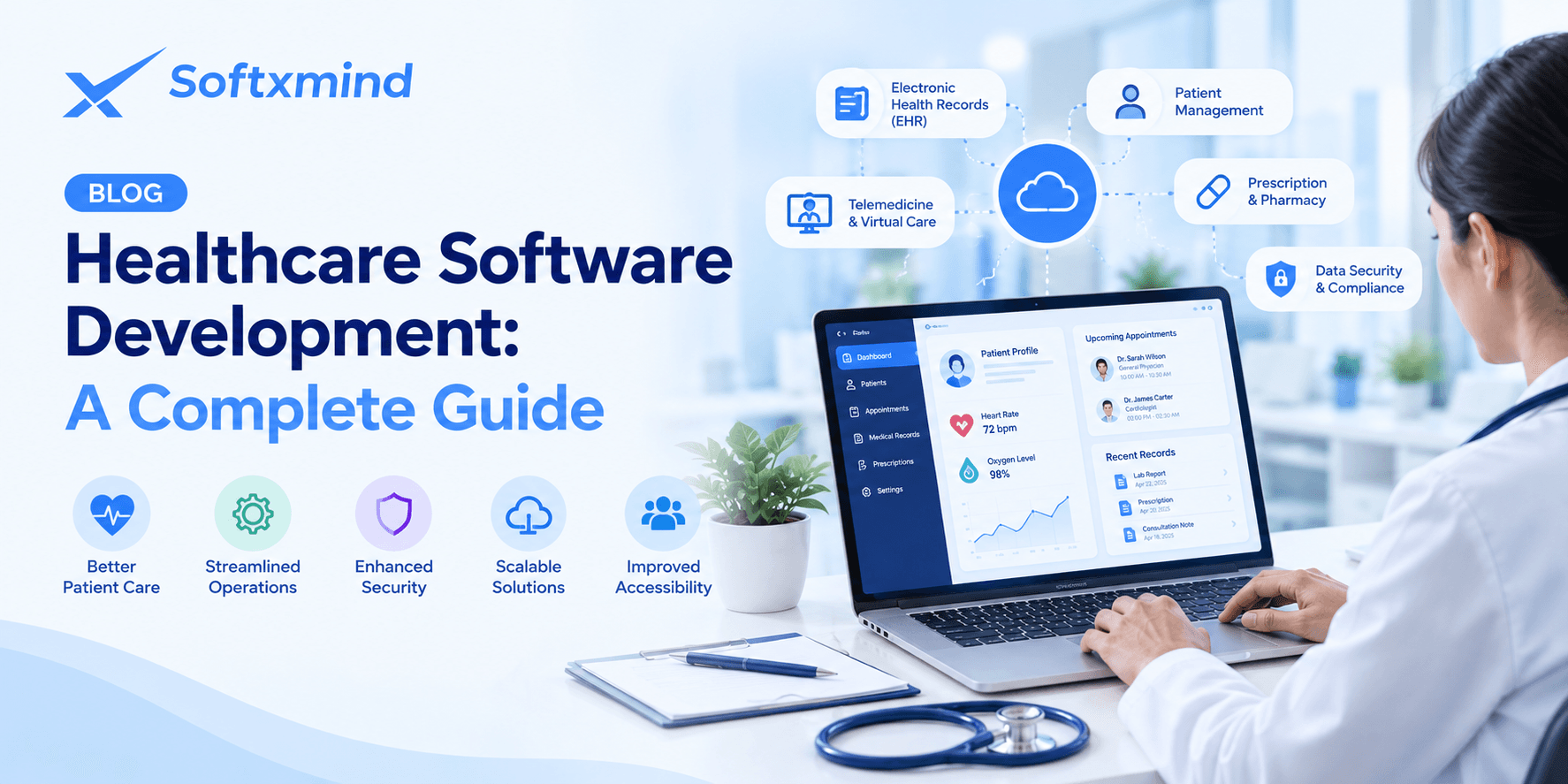
This in-depth guide on healthcare software development in Bangladesh equips CEOs with valuable insights into emerging trends, cost factors, and strategic approaches. It explores the impact of advanced technologies on development costs and scalability. Additionally, it provides an overview of key Bangladeshi use cases and the challenges associated with implementing healthcare software solutions.
Imagine a healthcare system under pressure—an aging population, skyrocketing demand for remote care, and patients with higher expectations. Yes, in Bangladesh, the healthcare industry is at a crossroads.
With an aging population, increasing demand for remote care, and rising patient expectations, the system faces mounting pressure to deliver better outcomes efficiently. Digital transformation in healthcare is key to overcoming these challenges and providing better, more efficient outcomes.
Bangladesh’s National Digital Health Strategy and the National Healthcare Interoperability Plan focus on creating systems that seamlessly connect and share meaningful information. This vision aims to enhance the country’s healthcare services by improving collaboration across various health sectors, enabling more efficient patient care, and ensuring data is accessible in real-time.
As a CEO, you have a unique opportunity and responsibility—to lead the charge in harnessing custom healthcare software development expertise to transform care delivery.
Healthcare software isn’t just about digitizing processes; it’s about enabling seamless patient experiences, empowering healthcare providers, and driving operational excellence. The potential is enormous, from telemedicine trends that bring care to rural communities to data analytics in healthcare that improve decision-making.
This guide is designed to equip you with the insights and strategies you need to navigate the complexities of healthcare software development in Bangladesh. Whether you aim to enhance patient care, ensure regulatory compliance, or future-proof your organization, this roadmap will help you make informed decisions at every step of the journey.
38% of healthcare providers in Bangladesh are going digital—are you?
Stay ahead of the curve with cutting-edge healthcare software development
Research on Bangladeshi healthcare providers shows that around 20% to 38% actively use digital methods or health applications in their daily practice, depending on the scope of the study.
National Institutes of Health (NIH)
Understanding the Need for Healthcare Software
Healthcare software transforms the healthcare ecosystem by creating a seamless, connected experience for patients, providers, and administrators. For patients, it ensures faster access to care through telemedicine, real-time health monitoring, and personalized treatment plans, encouraging them to take charge of their health.
Providers benefit from advanced tools like AI-driven medical diagnostics, streamlined workflows, and enhanced collaboration, which enable them to focus more on improving patient care and lessen administrative burdens.
Administrators gain the ability to optimize operations, ensure compliance, and reduce errors with automated billing and scheduling systems. By bridging gaps and enhancing efficiency, healthcare software delivers value to all stakeholders, driving better outcomes and experiences.
To better understand this, let’s examine a few popular types of software used in the healthcare industry.
Telemedicine Platforms: These platforms enable remote consultations and virtual care through secured messaging and video calls, thus closing the divide between patients and healthcare providers.
Electronic Health Records (EHR): EHR systems are digital platforms that store, manage, and share patient health information securely, improving provider coordination and ensuring quick access to critical data.
Healthcare Data Analytics: Healthcare analytics software development in Australia leverages AI and big data in healthcare to analyze patient trends, optimize resource allocation, and improve decision-making across healthcare organizations.
Remote Patient Monitoring (RPM): RPM software utilizes wearable devices and IoT sensors to track patients’ vital signs in real-time, ensuring proactive care for chronic conditions.
Practice Management Systems: The practice management system integrates scheduling, billing, and administrative functions into one platform, streamlining clinical operations and reducing paperwork.
Clinical Decision Support Systems (CDSS): The CDSS provides evidence-based recommendations to assist healthcare providers in making informed treatment decisions.
Medical Imaging Software: This software processes and analyzes imaging data like X-rays, MRIs, and CT scans, aiding in precise diagnosis and treatment planning.
Healthcare CRM Software: Healthcare CRM software development in Bangladesh enables providers to create tailored CRM systems that foster stronger patient relationships. These systems support personalized care and enhance patient engagement by tracking appointments, communications, and feedback.
Healthcare Scheduling Software: Healthcare scheduling software development in Australia simplifies appointment booking and ensures seamless clinic operations by eliminating scheduling conflicts and optimizing resource allocation.
ERP Healthcare software: ERP software healthcare development in Australia integrates various hospital and clinic functions, including patient management, billing, and inventory tracking, into a unified system, improving operational efficiency, reducing costs, and enhancing overall service delivery.
In contrast, pharmacies often need more specialized solutions, which is why many operators choose to build custom pharmacy management software in Bangladesh instead of relying solely on generic ERP platforms.
Navigating Healthcare Regulations & Compliance in Bangladesh
Compliance is vital in keeping patient data safe and secure and building trust. Let’s look at some of the top healthcare compliances in Bangladesh that healthcare organizations must comply with to protect patient information and deliver quality care.
Healthcare regulations and compliance in Bangladesh are overseen by a multi-tiered framework involving government ministries, specialized councils, and regulatory agencies.
Key Regulatory Bodies
Ministry of Health and Family Welfare (MoHFW): The apex authority with ultimate jurisdiction over national health policy, financing, and service delivery frameworks.
Directorate General of Health Services (DGHS): Manages public healthcare delivery and supervises clinical institutions.
Directorate General of Drug Administration (DGDA): Controls, monitors, and evaluates pharmaceuticals and medical devices, including product registration, manufacturer licensing, and market surveillance.
Bangladesh Medical and Dental Council (BMDC): Regulates medical and dental education, practitioner registration, and professional conduct.
Other Specialized Councils: Includes the Bangladesh Nursing Council (BNC), the Bangladesh College of Physicians and Surgeons (BCPS), and the Bangladesh Atomic Energy Commission (BAEC) for specific technical domains.
Primary Legal Foundations
Core Legislation: Governed by historical and modern statutes such as the Drug Act 1940, the Pharmacy Ordinance 1976, the Medical and Dental Council Act 1980, the Medical Practice and Private Clinics Regulations Ordinance 1982, and the Consumer Rights Protection Act.
Constitutional Rights: Articles 15(a), 18(1), 31, and 32 of the Constitution of Bangladesh address public health, nutrition, and the right to life and personal liberty, which the judiciary interprets to encompass health protections.
Market and Compliance Overview
Private Sector Dominance: The private sector delivers roughly 70% to 80% of healthcare services and meets a vast majority of domestic pharmaceutical needs through local manufacturing.
Data Protection & IT Gaps: Bangladesh currently lacks a dedicated, comprehensive national healthcare data protection law (such as HIPAA or GDPR), though digital health platforms and electronic medical record (EMR) systems are expanding.
Commercial Insights: Detailed breakdowns on market conditions and regulatory steps for investments can be reviewed via the Trade.gov Bangladesh Healthcare and Pharmaceuticals Guide.
Step-by-Step Process for Healthcare Software Development
Australia’s healthcare software development process outlines the essential stages of creating, deploying, and maintaining robust and secure healthcare applications. From analyzing project requirements and design to development, testing, and post-launch support, each phase ensures compliance, functionality, and scalability to meet industry standards and patient needs. This flowchart provides a clear, step-by-step overview of the process.
Healthcare Software Development Agile Roadmap
|
|
|
|
|
|
|
|
|
Step 1 – Start with Your Goals: Ensure the software aligns with your organization’s mission. Whether improving patient care, simplifying operations or boosting efficiency, your goals should guide every step of the development process.
Step 2 – Plan the Roadmap: Plan the big picture with clear milestones, realistic timelines, and a solid budget. Break the process into manageable steps to keep everything on track.
Step 3 – Choose the Right Technology: Choose tools and platforms that match your goals and ensure scalability, security, and compliance. To future-proof your software, consider cutting-edge technologies like AI, IoT, or cloud solutions.
Step 4 – Focus on Usability: Design the software with usability in mind, making it easy for everyone, including people with disabilities. An intuitive interface makes a big difference in adoption and satisfaction.
Step 5 – Develop in Steps and Test Often: Use an iterative approach like agile to build the software in smaller chunks. Test each phase thoroughly to fix bugs and make improvements along the way.
Step 6 – Plan for Seamless Integration: Ensure your software works smoothly with existing systems like EHRs or billing platforms. It should also be designed to handle future growth and new features.
Step 7 – Keep Improving: Once the software is live, monitor its performance and gather feedback. Regular updates and tweaks will keep it relevant and efficient as needs evolve.
Cost Considerations for Healthcare Software Development
The cost of healthcare software development in Bangladesh offers significant cost advantages compared to Western markets, with local agencies typically billing $15 to $35 per hour (compared to $80 to $150+ per hour in the US or Europe.
Standard local hospital or clinic management software ranges from ৳3,00,000 to ৳15,00,000.
Breaking Down healthcare Software Development Expenses
Integration Requirements
Connecting the software to existing systems such as hospital management platforms, IoT devices, or wearables adds complexity. Tailored API development and seamless interoperability solutions increase development time and overall costs of healthcare software development Bangladesh.
Technology Stack
Opting for advanced technologies like AI, blockchain, or cloud-based infrastructure can increase the initial costs of healthcare software development in Bangladesh. However, these modern healthcare software solutions often deliver better scalability, enhanced performance, and lower long-term maintenance expenses.
Features
Including functionalities like telehealth modules, patient portals, AI-powered diagnostics, and EHR integration significantly impacts costs. Complex features of healthcare software development in Bangladesh require additional development time, advanced tools, and skilled professionals.
Businesses can partner with a dedicated firm like Softxmind Bangladesh to integrate advanced features in their applications, ensuring a blend of innovation, efficiency, and compliance tailored to meet industry standards and improve patient care.
Complexity
Incorporating advanced functionalities such as secure multi-platform interoperability, real-time data sharing, or predictive analytics involves intricate system architecture. This necessitates the involvement of specialized developers and rigorous quality assurance processes.
Timelines
Accelerated project deadlines demand more resources, including larger development teams or overtime work. This often leads to higher expenses of healthcare software development Bangladesh due to expedited resource allocation and increased workforce involvement.
Use Cases of Healthcare Software Development in Bangladesh
Various impactful use cases are shaping healthcare software development Bangladesh. Let’s explore some top examples that highlight the innovative ways healthcare providers are leveraging technology:
AI-Powered Digital Assistants
AI-powered digital assistants are revolutionizing healthcare by automating patient interactions, optimizing administrative workflows, and improving customer support. These intelligent systems lighten the burden on healthcare professionals, accelerate response times, and enhance data accuracy, ultimately driving cost savings and operational efficiency.
Healthcare Booking System
A healthcare booking system enhances the patient experience by providing a seamless platform for scheduling appointments with healthcare providers. It reduces wait times, improves accessibility, and streamlines administrative workflows, making healthcare services more efficient and patient-centric.
Digital Health Record System
A digital health record system securely stores and manages patient health information electronically, allowing healthcare providers to access and update records in real-time. This system enhances the accuracy and efficiency of patient care, minimizes errors, and enables seamless data sharing across healthcare settings for improved decision-making.
Top Healthcare Software Development Trends to Watch in 2026
The healthcare software and healthtech sector in Bangladesh in 2026 is moving past experimental hype into an ROI and pragmatic integration era, driven by rising mobile connectivity, national digital initiatives, and localized AI adoption.
AI-Assisted Diagnostics & Triage Integration:
Artificial intelligence has shifted from theoretical pilots to functional clinical tools.
Prominent institutions like Bangabandhu Sheikh Mujib Medical University (BSMMU) and ICDDR,B are deploying AI-assisted radiology pilots (such as tuberculosis X-ray screening) and AI-driven triage in urban telemedicine platforms.
Hybrid & Vernacular Mental Health Platforms:
Platforms combining human psychological care with AI-powered conversational companions are scaling rapidly to serve millions of youth facing social stigma.
For example, apps like Relaxy integrate 24/7 AI emotional companions trained in Banglish and regional languages with licensed local psychologists, backed by major telecom partnerships with Grameenphone and Robi.
Hospital & Clinic Management ERP Software:
Localized Enterprise Resource Planning (ERP) and Hospital Management Systems (HMS)—such as solutions by providers like DigitalLab—are standardizing end-to-end digital workflows.
Key modules gaining heavy traction include e-prescriptions, doctors' chamber management, inventory/pharmacy tracking, and centralized lab management for private and semi-government hospitals.
National Policy & Digital Infrastructure Alignment:
The release of frameworks like the Bangladesh National AI Policy (2026–2030) is providing clearer guidance on governance, data security, and ethical deployment for digital health systems.
Custom Software Outsourcing & Enterprise Health Tech:
Major local engineering and software exporters—including Softxmind Limited, Brain Station 23, BJIT Group, and Kaz Software—are increasingly building custom healthcare, compliance-heavy, and cloud-native platforms for both domestic health networks and international clients.
Telemedicine & Mobile-First Access:
Mobile-first care delivery remains the backbone of expanding medical access beyond Dhaka, bridging gaps in rural health infrastructure through lightweight apps, SMS/USSD triage, and remote consultation tools.
Decentralized Healthcare with Blockchain & Web3
Blockchain and Web3 technologies will redefine how patient data is stored, shared, and secured. Decentralized health records will give patients full control over their data, enhancing privacy and interoperability. Smart contracts will automate insurance claims, reducing fraud and administrative costs.
Tackling Key Challenges in Healthcare Software Development
Healthcare software development in Bangladesh has several potential benefits, but it also comes with challenges. However, these challenges can be tackled by strategically implementing solutions. Let’s have a look at those.
Managing Data Privacy and Cybersecurity Risks
Challenge: Healthcare software, which handles sensitive patient data, is a prime target for cyberattacks. Data privacy and security are essential to prevent breaches and maintain patient trust.
Solution: To protect patient data, utilize strong encryption technologies and protocols, multi-factor authentication, and regular security audits. Adhering to industry regulations like the Bangladesh Privacy Principles (APPs) and My Health Record system standards will further enhance security and ensure compliance.
Integration with Existing Healthcare Systems
Challenge: As healthcare software systems grow, software must handle increasing volumes of users and data without compromising performance.
Solution: Build software with flexible API-driven integration capabilities to easily connect with existing EHR systems, Practice Management Systems (PMS), and other healthcare systems. Collaborate with healthcare providers to understand their systems and ensure seamless integration.
Ensuring User Adoption Among Healthcare Professionals
Challenge: Healthcare professionals may resist adopting new software due to time constraints, unfamiliarity, or concerns about usability, leading to inefficiencies and errors.
Solution: Prioritize user-friendly design to create intuitive interfaces that require minimal training. Arrange extensive training programs and ongoing support to empower users with confidence. Involve healthcare professionals in the development process to ensure the software meets their needs and fits seamlessly into their workflows.
Managing Healthcare Software Scalability
Challenge: As healthcare systems grow, software must handle increasing volumes of users and data without compromising performance. Scaling software to meet these growing needs is often a major hurdle.
Solution: Design healthcare software with scalability in mind, leveraging cloud technologies and modular architectures to handle expanding data and user demands. Regularly assess system performance and optimize to ensure it can grow with the organization’s needs.
How to Choose the Right Technology Partner
Choosing the right partner for developing medical software Bangladesh is crucial for the success of your healthcare software project. Here’s how you can select the right technology partner.
1. Experience in Healthcare Projects
Select a partner with a proven track record in delivering successful healthcare software Bangladesh. They provide customized solutions and have expertise in addressing industry challenges.
Choose a partner for developing your healthcare software Bangladesh, who understands the unique complexities of healthcare systems and possesses experience across diverse project scales, from small clinics to major hospitals. Their record of success in similar projects assures their capability to meet your requirements.
2. Understanding of Bangladeshi Regulations
Ensure your partner is well-versed in Bangladesh healthcare regulations, including APPs, My Health Record system requirements, and TGA standards, to guarantee compliance and data security. A solid understanding of these healthcare regulations ensures that your software is legally compliant and protects sensitive patient data. This is crucial in maintaining trust and avoiding costly legal complications.
3. Technical Expertise in Modern Technologies
Choose a partner for healthcare software development in Bangladesh skilled in leveraging advanced technologies. Their ability to integrate these technologies will future-proof your healthcare software while enhancing its functionality. Additionally, a strong grasp of emerging technologies ensures your software remains adaptable to innovations and evolving patient care needs.
4. Focus on User-Centered Design
For healthcare software to be effective, it must be easy for patients and healthcare experts to use. Choose a partner who emphasizes strong user experience (UX) and user interface (UI) design, ensuring the software is intuitive, simple to navigate, and accessible. This focus on usability will drive higher adoption rates, minimize errors, and ultimately lead to more efficient healthcare delivery and better patient outcomes.
5. Reliable Support and Maintenance Services
Developing the software is just the start; ongoing maintenance is vital for long-term success. Look for a partner who offers comprehensive post-launch services, including regular software updates, troubleshooting, user training, and continuous performance monitoring. This ongoing support ensures that your healthcare software remains secure, up-to-date, and adaptable to changing needs, especially in Bangladesh’s evolving healthcare technology landscape.
Embark on Healthcare Software Development with Softxmind’s Support
Partner with Softxmind for seamless custom software development services in Bangladesh and let our experts create future-ready healthcare solutions that lead the industry and positively impact lives.
Key factors contributing to their capabilities in healthcare and software development include:
Compliant Digital Health Systems: They focus on building patient-first, regulated, and compliant systems for the healthcare and digital health sectors.
Engineering Talent: They feature a team of over 22 senior engineers covering full-stack web, mobile, cloud, DevOps, and AI product engineering.
Industry Standards: Their delivery and security processes align with CMMI Level 3 and ISO-certified standards.
Experience: Founded in 2019 in Dhaka, Bangladesh, the company has delivered solutions for over 120 companies across 7 countries.
Service Offerings: Their scope includes custom software development, mobile and web applications, MVP development for startups, and AI-native product consulting, stuff augmentation, etc.
Frequently Asked Questions About Healthcare Software Development in BD
Q. What is the cost of healthcare software development in Bangladesh?
A. The cost of developing healthcare software in Australia varies depending on the scope, complexity, required features, and compliance standards. Custom healthcare and telemedicine apps in Bangladesh typically range from $15,000 to $50,000, depending on features like video consultation, appointment booking, and patient records. integration with existing healthcare systems, or real-time data exchange may incur higher costs.
Our experts also offer CRM and ERP software for healthcare development in Bangladesh, tailored specifically for the healthcare industry, or integrate these with your existing software. These integrations, which connect various systems such as patient management, billing, and scheduling, can significantly enhance operational efficiency but may also influence the overall project costs. As a leading provider of software development services in Dhaka, let us offer you some tips for accurately estimating custom software development costs:
Define project scope clearly
Assess project complexity
Account for ongoing support and maintenance
Choose an experienced development team
Include integration requirements
Factor in compliance and security standards
Consider project timelines
Q. How long does it take to develop healthcare software in Bangladesh?
A. The timeline for healthcare software development Bangladesh typically spans from 3 months to a year. Simple applications can be developed faster, while more complex solutions requiring integration, advanced features, or regulatory compliance can take longer. Having a well-defined project scope and maintaining clear communication with the development team can help ensure timely delivery while upholding quality standards.
Q. What are some of the top examples of digital health technologies in Bangladesh?
A. Some leading digital health technologies in Bangladesh include:
AI and Machine Learning
Telemedicine Technology
Blockchain for Health Data Security
Wearable Health Devices
Big Data Analytics
IoMT in healthcare
Natural Language Processing (NLP)
Q. What is the Role of ERP software healthcare development in Bangladesh?
A. ERP software healthcare development in Bangladesh has simplified operations, ensured better patient care, and ensured compliance with regulatory standards.
Q. What are the benefits of healthcare software development in Bangladesh?
A. Developing medical practice management software Bangladesh comes with a host of benefits. These include:
Enhanced patient care
Strict regulatory adherence
Optimized resource utilization
Seamless system integration
Accessibility for remote areas
Advanced cybersecurity
Collaborative innovation